
Kerr Spectroscopy
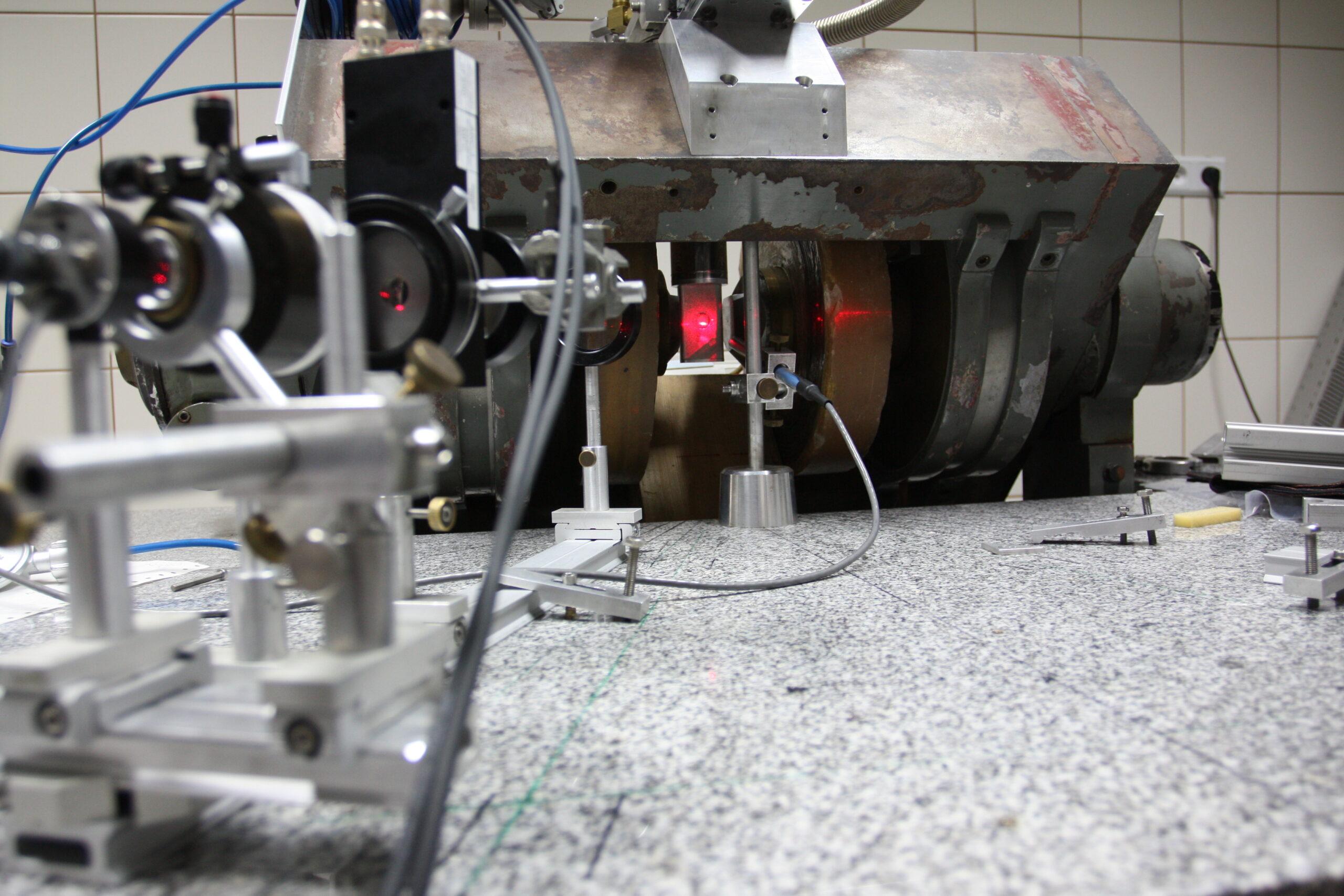
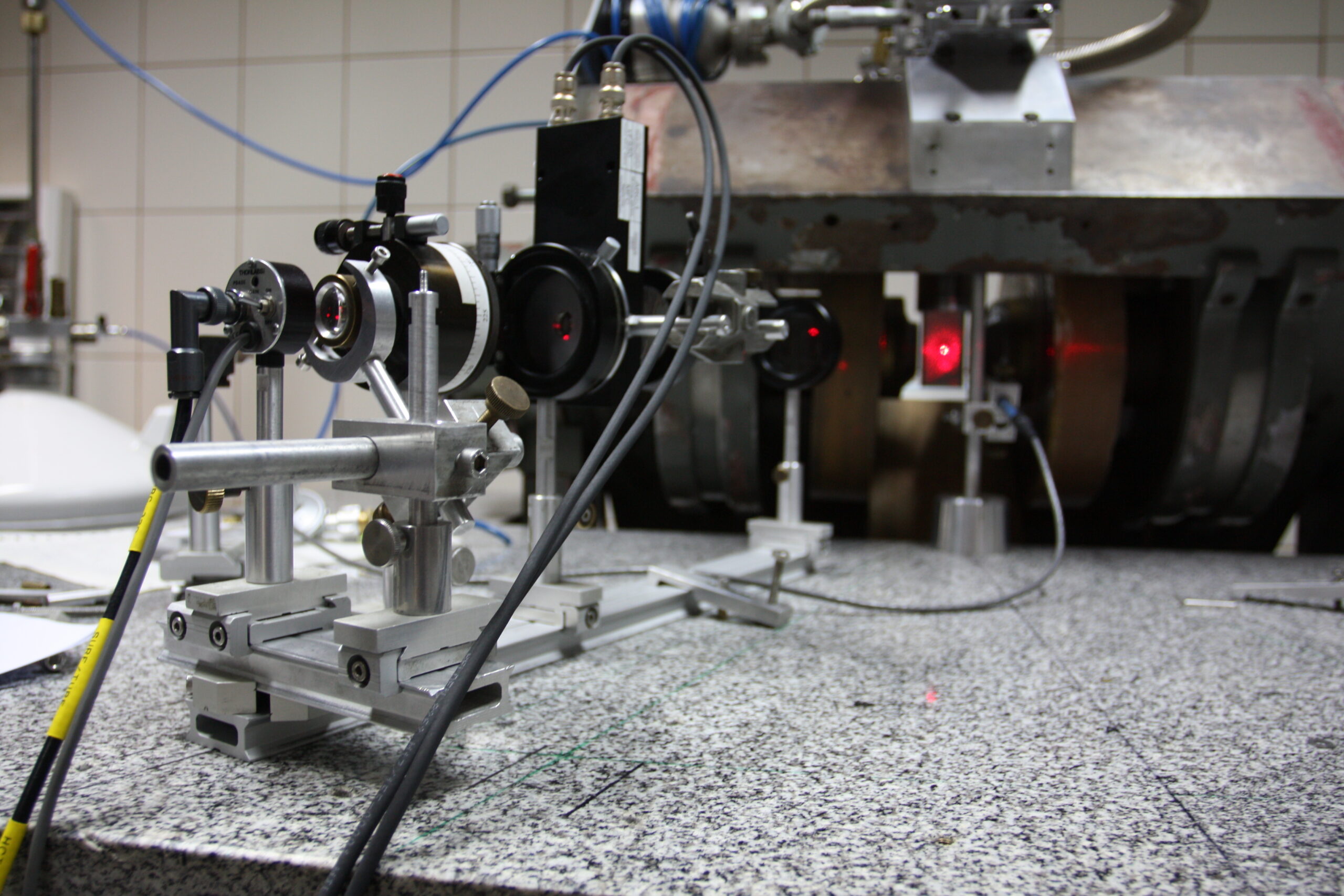
Magneto-optical Kerr effect (MOKE) spectroscopy is used to investigate the magnetic properties of thin films and nanostructures by measuring changes in the polarization of light reflected from a magnetized surface. The technique is highly sensitive to surface and near-surface magnetization, making it particularly well suited for studying low-dimensional magnetic systems.
The MOKE spectroscopy setup operates over a wide temperature range, from cryogenic conditions close to liquid nitrogen temperature (~77 K) up to 100 °C. This enables the study of temperature-dependent magnetic phenomena such as phase transitions, magnetization reversal processes, and the thermal stability of nanoscale magnetic materials.
Kerr Microscope
Probe for Transport Properties
UHV system with MBE
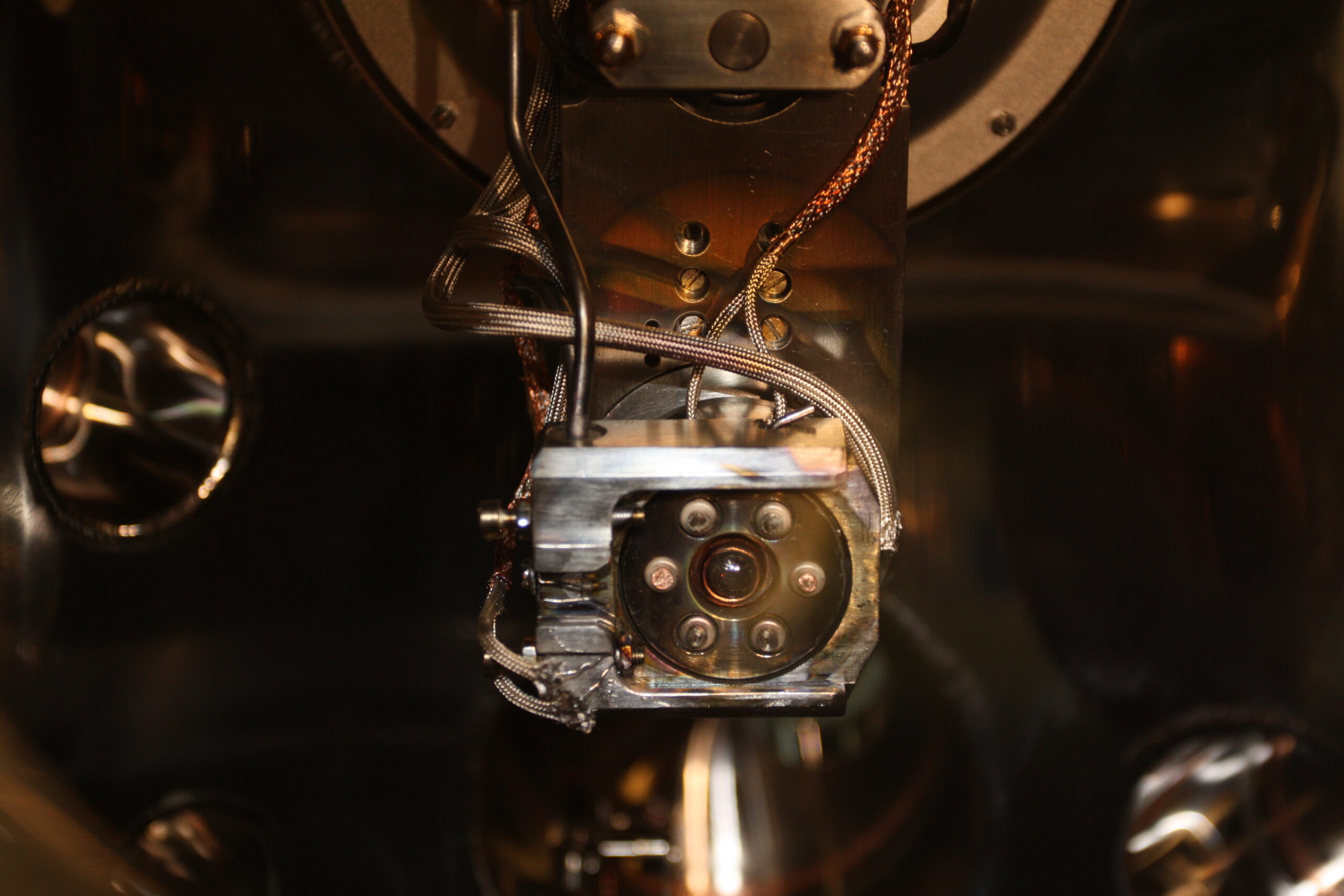
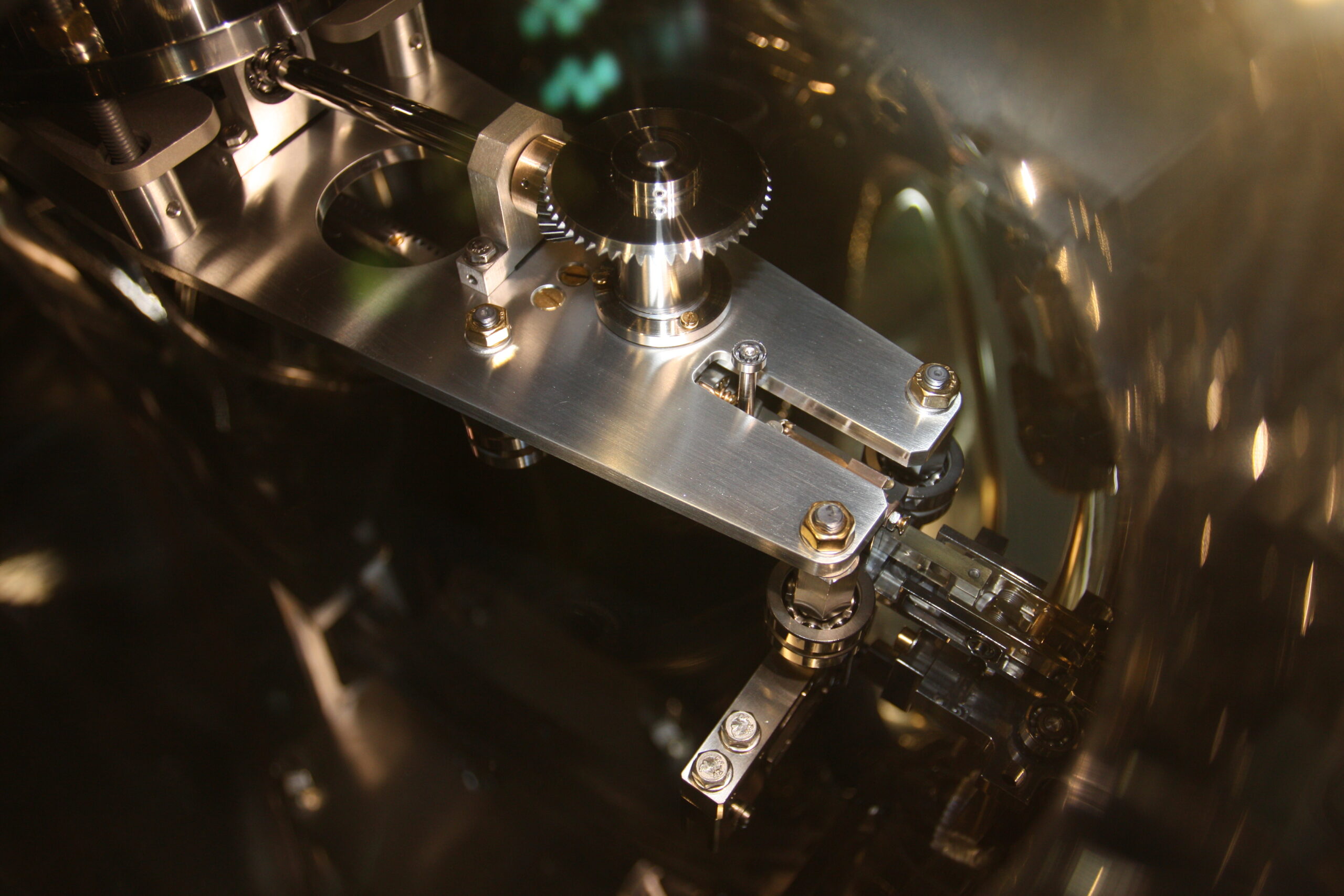
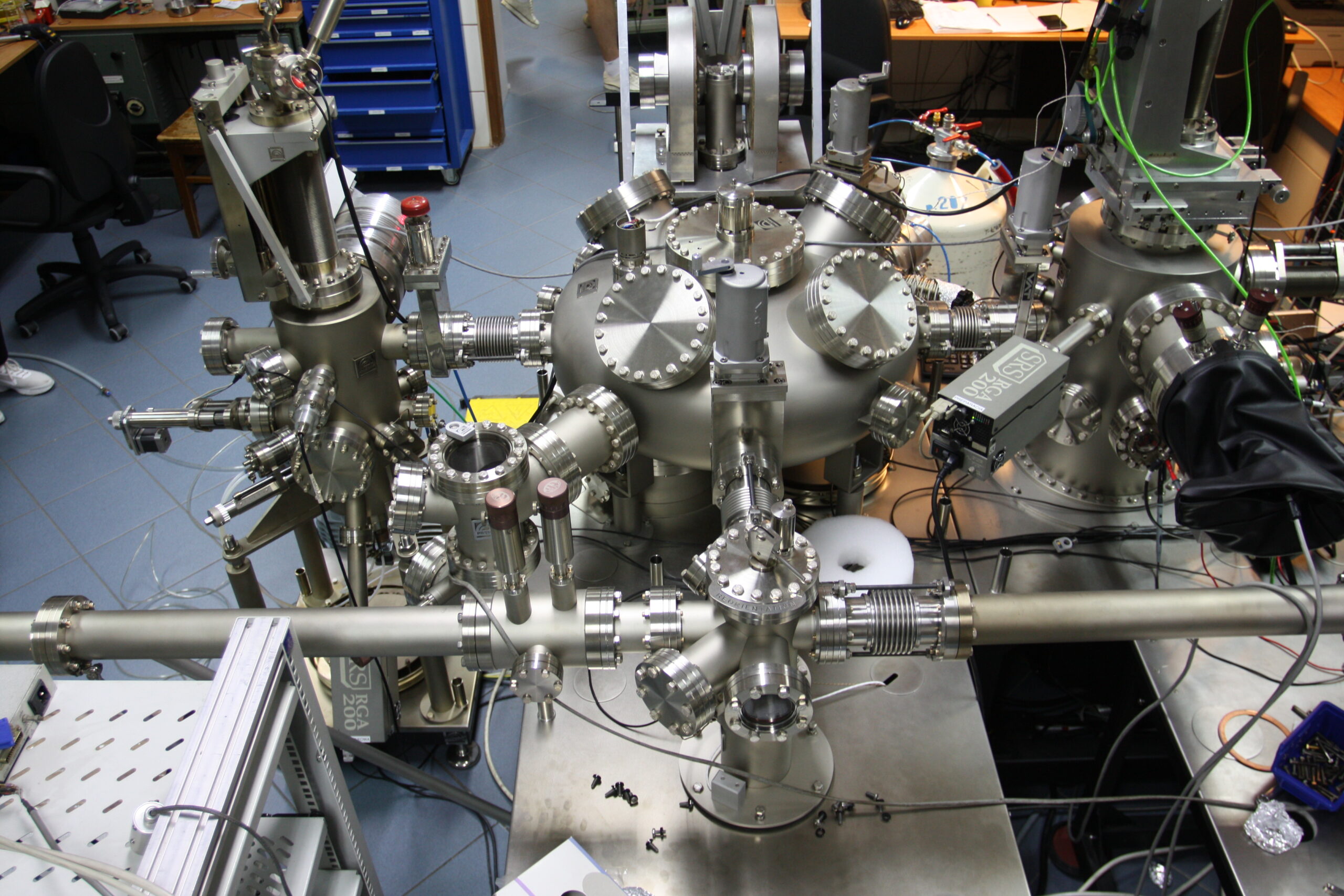
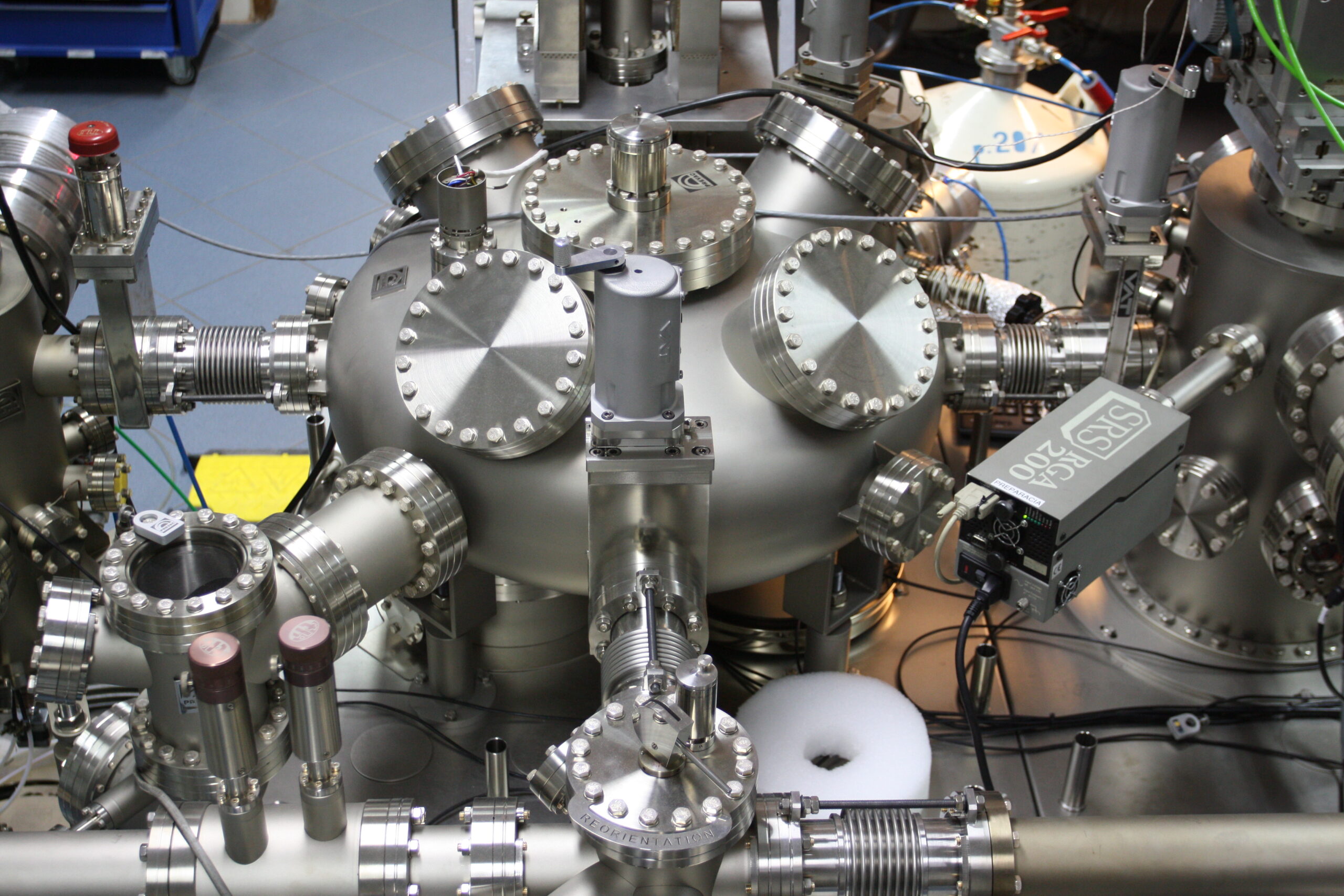
The ultra-high vacuum (UHV) system in our laboratory is designed for the fabrication and investigation of ultrathin films and nanostructures under well-controlled conditions. It is equipped with molecular beam epitaxy (MBE) technology, comprising three preparation chambers that enable the growth of metals, oxides, and compound materials, including the use of co-deposition methods.
Film thickness during deposition is precisely monitored using quartz crystal microbalances, ensuring accurate control over growth rates and final layer thickness. The system also allows for deposition under variable temperature conditions, enabling fine tuning of material properties during growth.
Structural characterization is performed in situ using low-energy electron diffraction (LEED), providing information about surface order and crystallinity.